
Healthy Living
Secret Sodium: What’s Raising Your Blood Pressure?
Most of the sodium in our diets doesn't come from table salt added to food during cooking or at the table. In fact, more than 70% comes from packaged and prepared foods. Americans consume an average of 3,300 mg of sodium each day, well above the recommended limit of less than 2,300 mg for adults. Understanding where sodium hides, how it can affect blood pressure, and the simple swaps you can make can help you make more informed choices to support your heart health.
How Too Much Sodium Can Affect Your Blood Pressure
Sodium attracts water, so when you eat a high-sodium diet, your body holds on to more water. Think of your blood vessels as a system of pipes. When more fluid flows through those pipes, the pressure inside them increases. As a result, your blood pressure can rise.
High blood pressure or hypertension occurs when the force of blood against the walls of your arteries remains too high over time. When this happens, your heart must work harder to pump blood throughout the body. Uncontrolled high blood pressure is linked to serious health conditions such as heart attack, heart failure, stroke, kidney disease and vision loss. While sodium intake can play a role in blood pressure, many other factors can influence it.
Where Is Sodium Hiding?
Many of the foods we eat every day can contain more sodium than expected. About 40% of the sodium consumed by Americans comes from a relatively small group of common foods, such as:
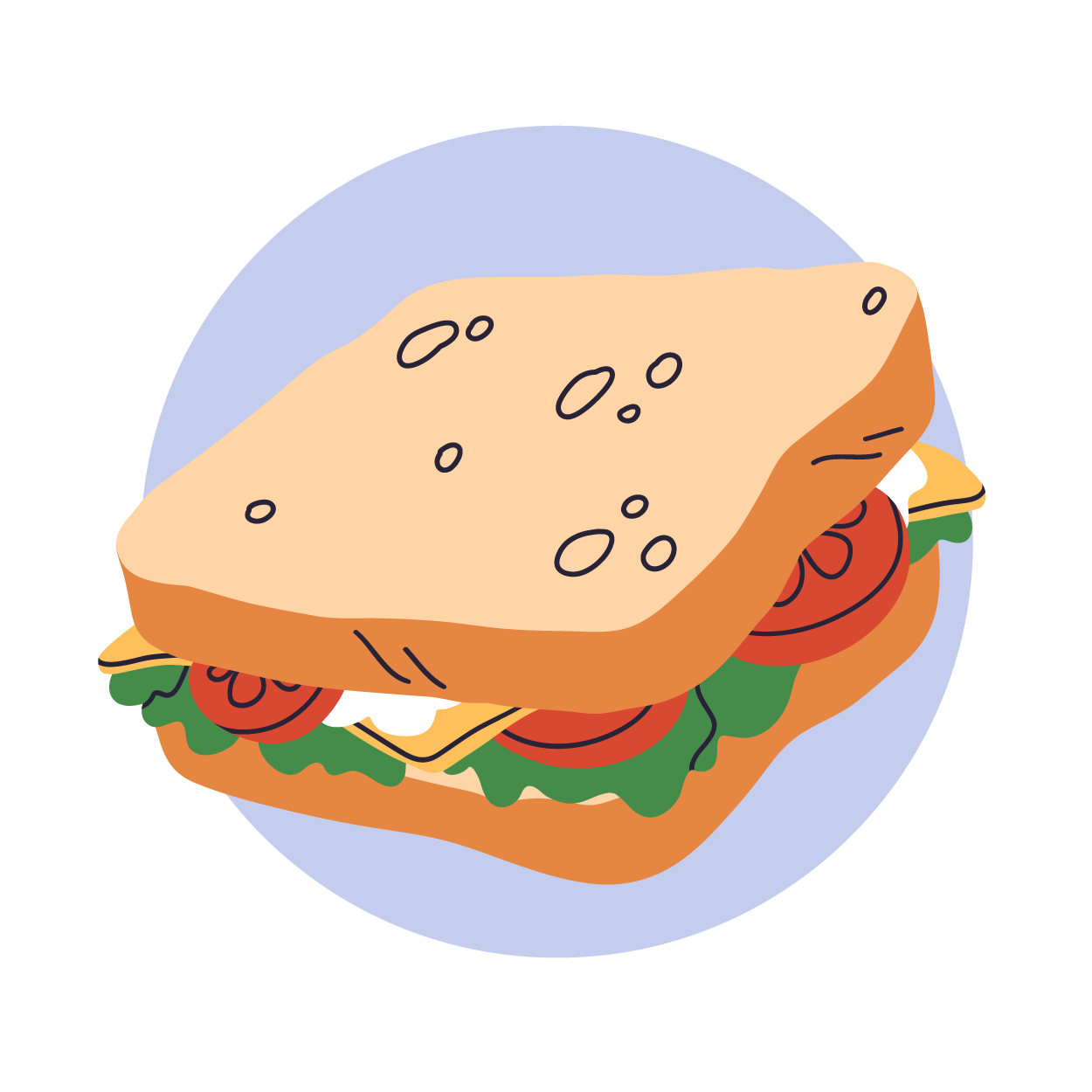
Deli meat sandwiches
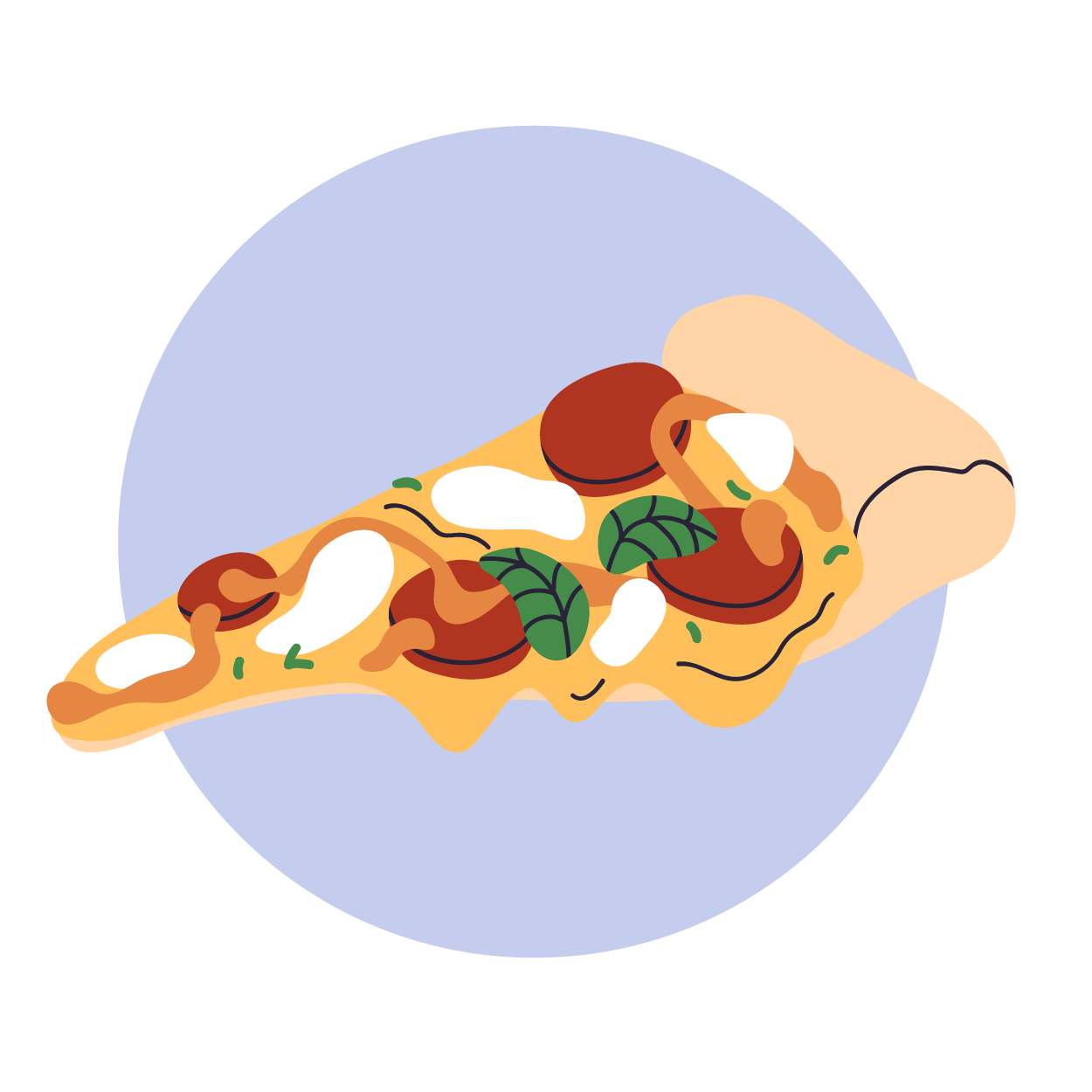
Pizza
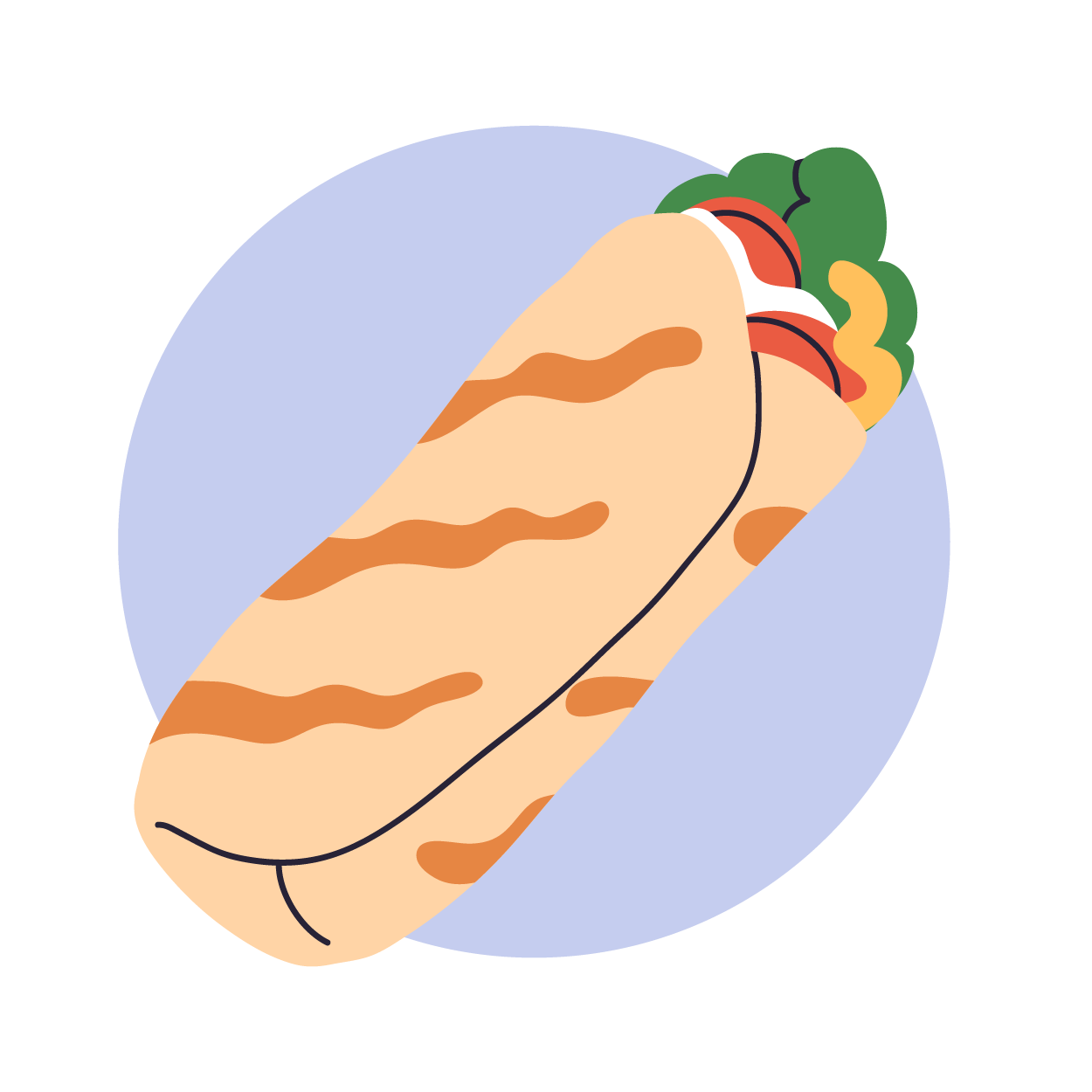
Burritos and tacos
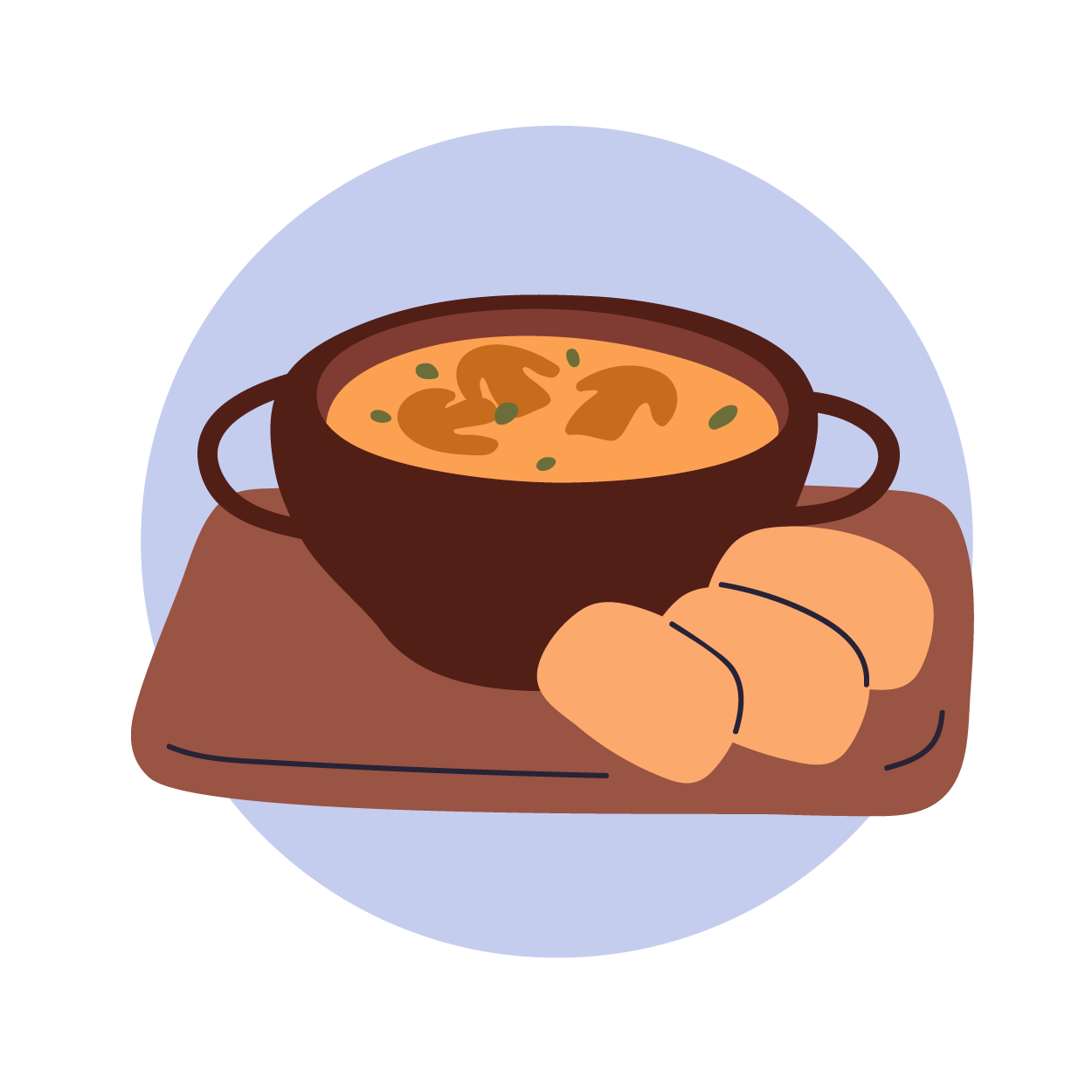
Soups
Savory snacks (for example, chips, crackers and popcorn)
Poultry
Pasta mixed dishes
Burgers
Vegetables
Egg dishes and omelets
Many people assume they can identify high-sodium foods by taste alone, but that's not always the case. While foods like pickles and soy sauce taste obviously salty, other foods may contain sodium without tasting salty at all. Items such as cereals and pastries can contain sodium, even though their flavor doesn't suggest it.
That’s why it’s important to learn how to read the Nutrition Facts label and not just rely on taste to determine how much sodium a food contains.
Smart, Heart-Friendly Swaps To Try
Reducing sodium doesn't have to feel restrictive. Here are some simple swaps that can help lower your sodium intake while still keeping your meals flavorful and enjoyable.
Choose fresh over processed: Swap deli meats and other processed meats for freshly prepared, unprocessed protein options.
Rethink instant meals: Replace instant noodles and packaged meal mixes with homemade meals using fresh ingredients and less-sodium seasonings.
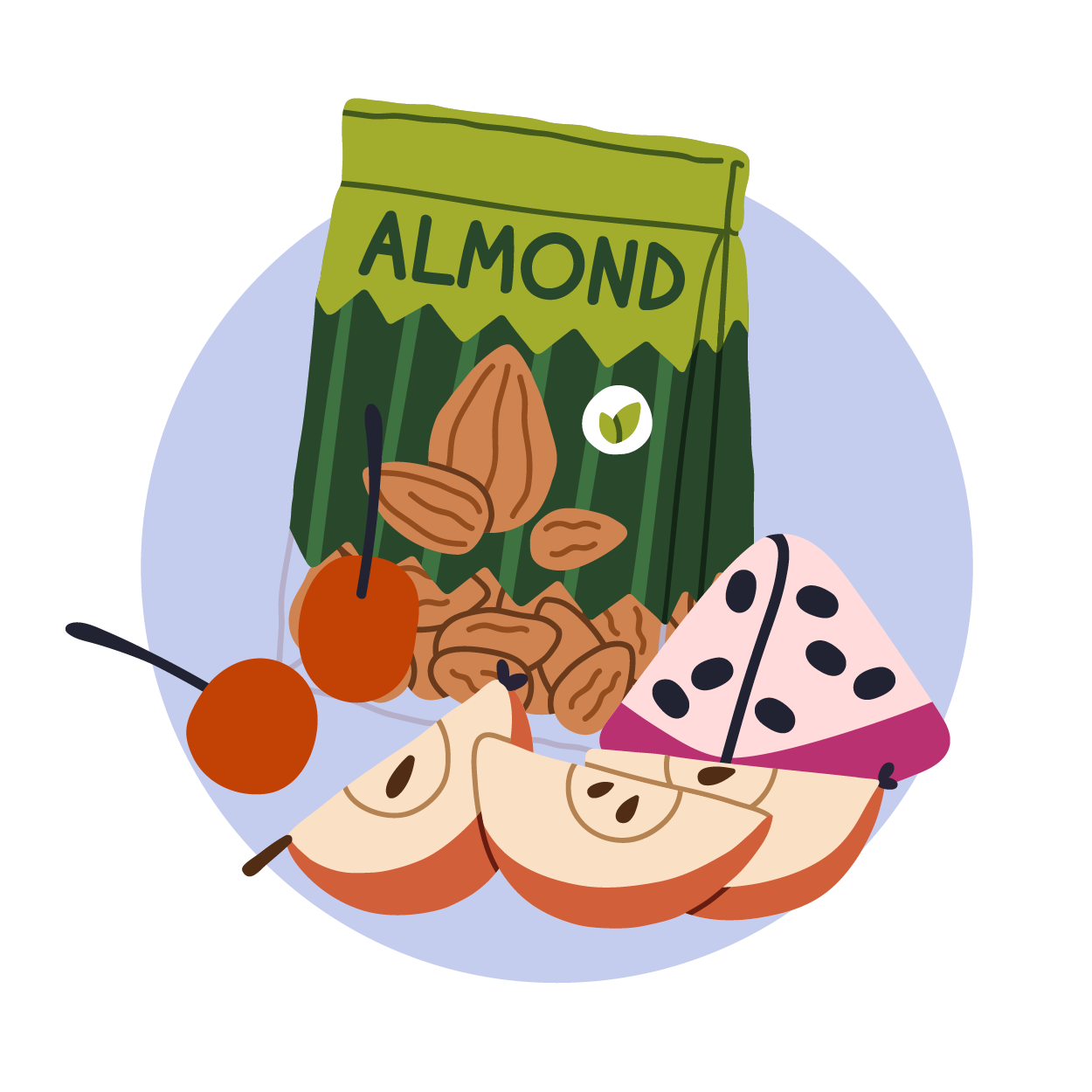
Snack smarter: Trade regular chips and crackers for fresh fruit, vegetables or unsalted nuts.
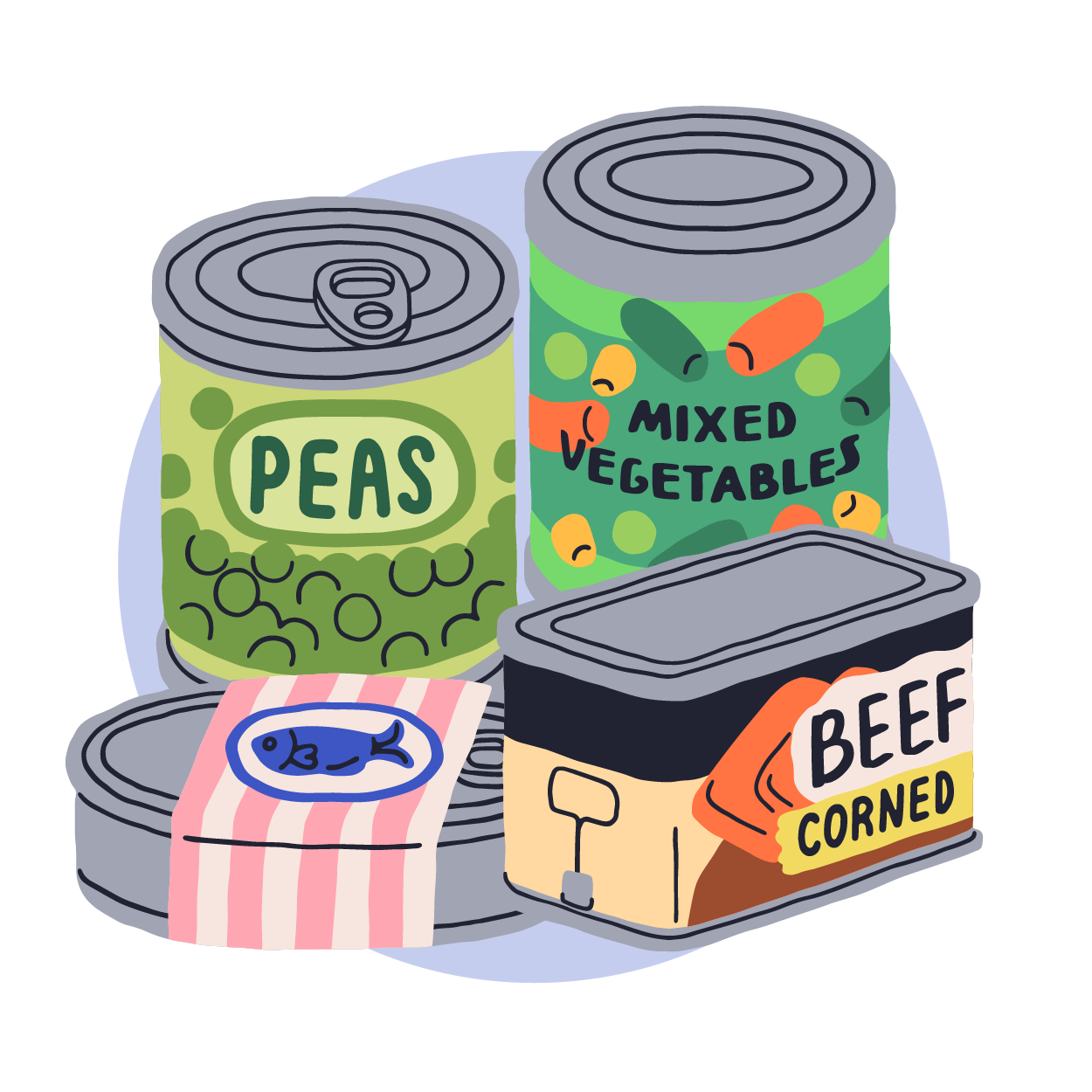
Compare canned goods: Choose low-sodium or no-salt-added vegetables and beans when available, as well as rinse canned foods to remove some sodium.
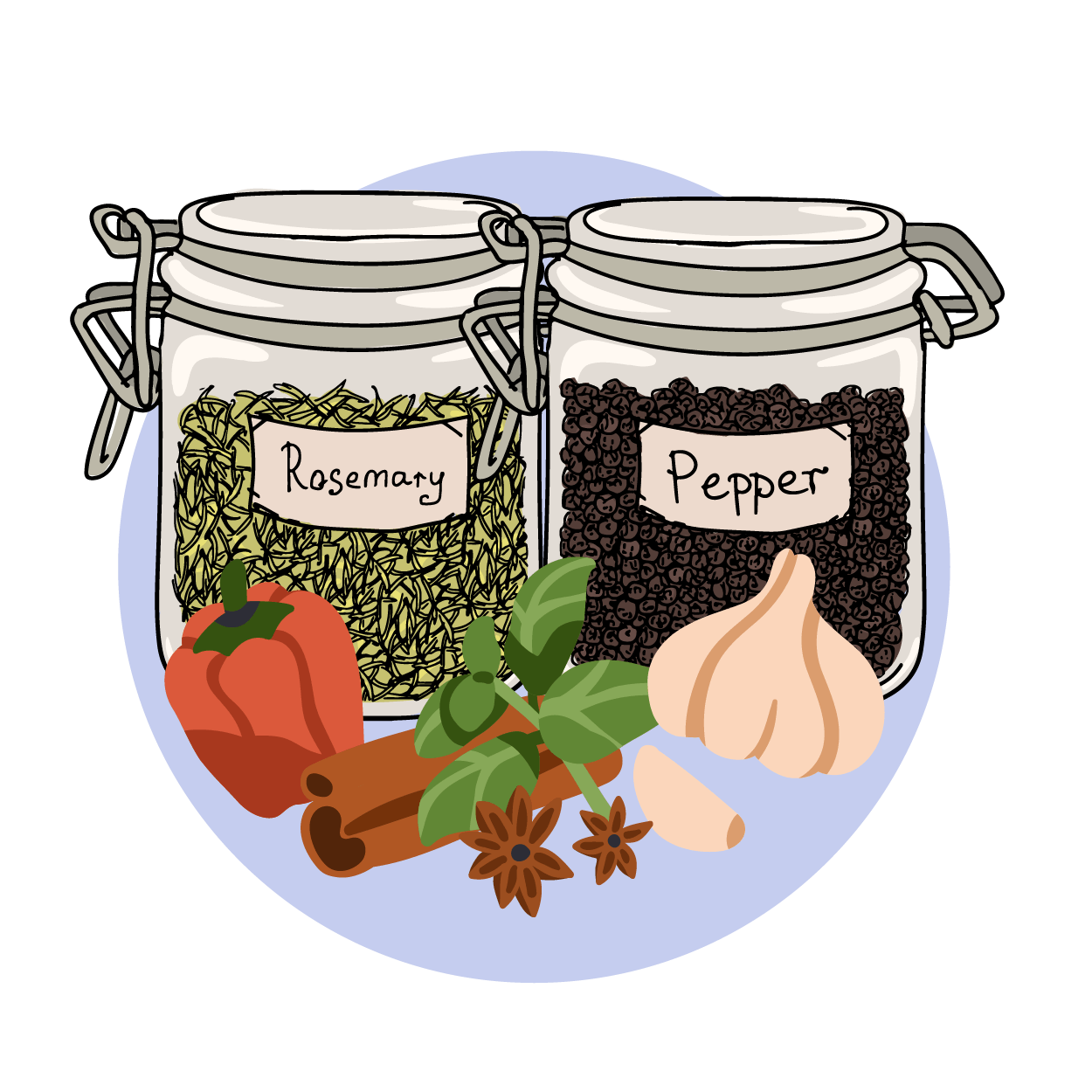
Flavor food naturally: Use garlic, herbs, spices, citrus juice or vinegar instead of relying on salt-heavy seasonings.

Make smarter restaurant choices: Request sauces and dressings on the side, use less of them and look for lower-sodium options.
Stand Up for Your Heart
Healthy food choices can help support blood pressure management, but they are not a substitute for medical treatment. If you have high blood pressure or questions about how much sodium is right for you, talk with your healthcare provider for personalized guidance and recommendations.
Source:
Centers for Disease Control and Prevention
NIH National Center for Biotechnology Information
U.S. Food & Drug Administration