
Pregnancy Trimesters - What to Expect Per Month
Whether you’re in your first, second or third trimester, The Nest at Baptist Health System is ready to provide specialized pregnancy care based on your and your baby’s specific needs.
Compassionate Care for Various Pregnancy Stages
One of the common terms women encounter during pregnancy is ‘trimester,’ which covers three stages of the gestation journey. Different pregnancy trimesters require various care levels as your baby grows and develops and your body experience changes. In The Nest at Baptist Health System, we have a pregnancy care team in San Antonio, composed of OB/GYN doctors, nurses and staff, who are experienced in providing compassionate care to pregnant women and their babies regardless of where they are on the pregnancy timeline. Some of the services we offer include the following:
- Consultation with OB/GYN doctors in San Antonio
- Pregnancy-related tests and screenings (i.e., transvaginal ultrasound, abdominal ultrasound, blood tests, etc.)
- Specialized high-risk pregnancy care
- Mommy-to-be tours
- Concierge navigator “Great Expectations” program
- Childbirth education classes
- Online pre-registration
- Pre-admission testing
- Labor and delivery services
- Midwifery services
- Newborn and birth portraits and video
- Breastfeeding support and lactation services at Mother’s Milk First Lactation Center
- Family-centered care and resources

What to Expect Per Month
You may experience different hormonal and physiological changes and symptoms in various stages of your pregnancy timeline. And while every pregnancy is unique, we’ve listed below some common information, tests and symptoms that you can expect during the first, second and third pregnancy trimesters to help you understand what can help you and your baby stay healthy throughout the journey.
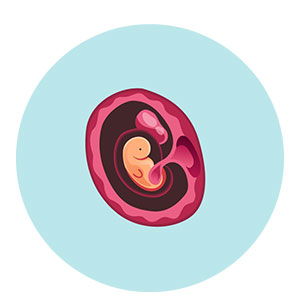 1st MonthIt’s the beginning of your first trimester. Right now, your baby is layers of cells that are on the way to development. At this stage, your hormone levels significantly change, heart rate increases, breasts are swollen, your placenta is beginning to form and the uterus stretches to support the growth of the fetus and placenta.
| 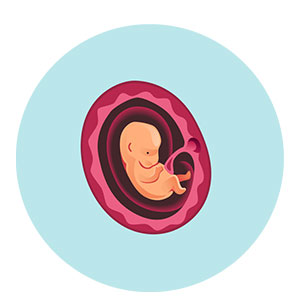 2nd MonthBaby is starting to grow and move, but you probably won’t feel it! You may notice first trimester symptoms beginning to develop around this time, including constipation, fatigue, headache, increased urination and morning sickness.
| 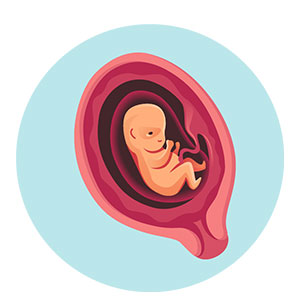 3rd MonthYour baby is about the size of a blueberry towards the end of your first trimester. Organs, limbs and brain are in place and are starting to develop. Your baby also begins to develop their eyes, ears, arms, legs, mouth, taste buds, hair follicles, nasal passage and facial features.
|
Tests you may need during the first trimester:
- Pregnancy test
- Transvaginal ultrasound
- Urine or blood test
Note: The risk of experiencing a miscarriage is highest at this point. If you experience spotting or pelvic pain, please see your OB/GYN doctor in San Antonio immediately. If you are experiencing an emergency, please call 9-1-1 or visit the nearest emergency room.
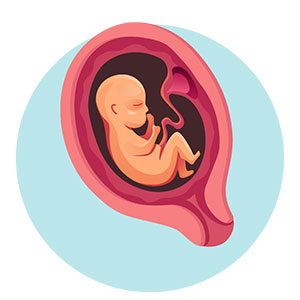 4th MonthOnto your second trimester, you may feel your nausea lessening, but you may be more tired. You may also experience heartburn, nasal congestion and leg cramps. Your baby starts moving inside the womb, swallowing and sucking and making facial movements, but you probably won’t feel them.
| 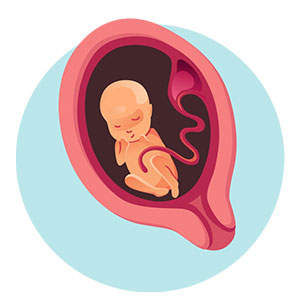 5th MonthYour baby is growing, a lot! They may double in size as bones begin to harden. You can now find out your baby’s sex through an ultrasound. You’ll likely be hungrier now, too, as you reach halfway through your pregnancy. Around week 20, your baby’s middle ear usually develops, which allows them to also hear your voice and heartbeat.
| 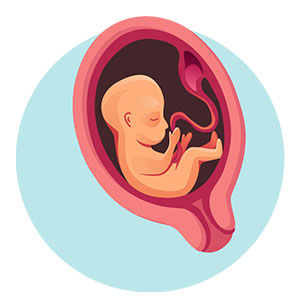 6th MonthYour baby is about the size of a cucumber while they put on weight and grow hair. Baby is also exploring their surroundings by opening and closing their eyes, playing with their fingers and even practicing breathing! Additionally, your baby’s skin starts to develop fat, and major organs, such as the pancreas and the liver, are becoming stronger.
|
Tests you may need during the second trimester:
- Abdominal ultrasound
- Anatomy ultrasound
- Doppler ultrasound
- Glucose tolerance test
- Physical assessment
- Triple screen test
- Urine test
- Other tests if you have a pre-existing condition
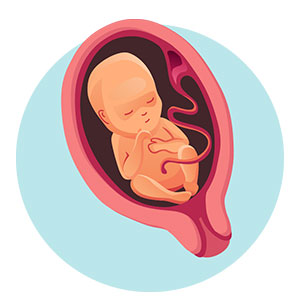
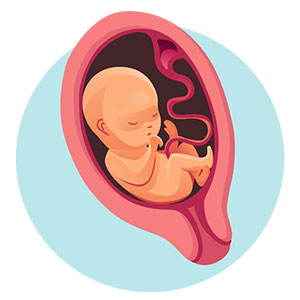 8th MonthYour baby can weigh about the same as a pair of boots and is putting on more weight as his/her lungs and nervous system mature. It’s dark inside the stomach, but the baby can already detect bright lights from outside. Normally, at around 31 to 34 weeks, the baby starts to prepare for birth and gradually moves into a head-down position.
| 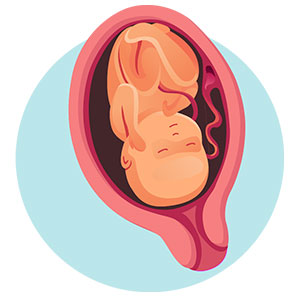 9th MonthYou may notice less movement from the baby as they grow rapidly with less room inside the womb to move. You may have occasional contractions leading up to your due date. For normal full-term pregnancies, doctors set the expected delivery date (EDD) at exactly 40 weeks from the first day of the mom’s last menstrual period (LMP). But you may give birth anywhere between 37 and 42 weeks from the first day of your LMP.
|
Tests you may need:
- Abdominal or transvaginal ultrasound
- Group B streptococcus (GBC)
- Other tests if you have a pre-existing condition
Why Choose The Nest for Your Pregnancy, Labor and Delivery Care?
The Nest at Baptist Health System is committed to helping build healthy families in our community by providing compassionate care and support to women and their babies. We’re here for you wherever you are on your pregnancy calendar, every step of the way.
If you’re in your third trimester and nearing your due date, you may pre-register with us for your labor and delivery. You may also register in person at the hospital. Here are some of the facilities you can expect:
- Dedicated operating rooms
- Private labor and delivery suites
- Private postpartum suites
- Level IV neonatal intensive care units (NICU)
- Guest accommodation for your support person
You may also schedule a tour in one of our hospitals in San Antonio by calling 866-309-2873.