
Hispanics and Heart Disease
CARDIOVASCULAR DISEASE IS THE #2 CAUSE OF DEATH FOR HISPANICS IN THE U.S. BEHIND CANCER
- On average, Hispanic women are likely to develop heart disease 10 years earlier than non-Hispanics.
- Hispanics with diabetes had higher rates of heart disease death than those without diabetes, according to the San Antonio Heart Study.
- Hispanic women are significantly less aware than White women that cardiovascular disease is their leading cause of death.
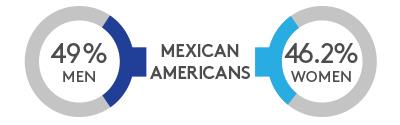
Among Mexican American adults, 33% of men and 31% of women have cardiovascular disease.
The MitraClip is a fairly new device designed to repair mitral regurgitation, a disorder of the mitral valve of the heart that prevents it from closing properly, in a less invasive way than previously available surgical options.
With this minimally invasive procedure, doctors treat mitral regurgitation by clipping a small metal device on the mitral valve through a catheter, without the need to put the patient on a heart-lung bypass machine.
Who Is A Candidate?
People who are too sick to undergo traditional surgery to repair or replace the mitral valve are ideal.
What Happens During Surgery?
While the patient is sedated, doctors thread the device to the heart through a vein in the leg. The device clips together a small area of the mitral valve, which reduces the flow of blood in the wrong direction.
What Are The Risks?
Patients may experience blood clots, artery damage, stroke, bleeding, kidney failure, blood infections or death.
To learn more, please call 833-271-0338.
SOURCES: AMERICAN COLLEGE OF CARDIOLOGY; AMERICAN HEART ASSOCIATION; NATIONAL HEART, LUNG, AND BLOOD INSTITUTE; THE SOCIETY FOR CARDIOVASCULAR ANGIOGRAPHY AND INTERVENTIONS
What is Coronary Artery Disease (CAD)?
Coronary artery disease, or CAD, happens when cholesterol-containing deposits (plaque) build up on the inner walls of coronary arteries over time. This causes the arteries to harden and narrow, which decreases blood flow to the heart. As a result, your heart doesn’t get the blood, oxygen and nutrients it needs, which can lead to chest pain or other symptoms. In some cases, it can lead to a heart attack which is caused when the heart muscle dies because of the absence of blood flow. The build-up of plaque can be attributed to poor lifestyle habits such as smoking and obesity, but it can also be caused by things that cannot be avoided, such as aging or a family history of heart disease.
Common Symptoms of CAD
People may feel heart disease symptoms during stress, physical activity or even at rest. It is more common to experience these symptoms while walking, going up stairs or moving around. It is important to note that women often do not exhibit the same symptoms as men when having a heart attack. If you feel these signs, seek help from a health care provider immediately.
 Chest Pain or Pressure (Angina) |  Fatigue |  Shortness of Breath |  Sudden Profuse Sweating |
 Discomfort in Back, Shoulders, Arms, Jaw, Neck |  Insomnia or Inability to Sleep | .jpg?sfvrsn=8882a4ef_2 "3-shortness-of-breath--160x160-min (1)") Shortness of Breath |  Lightheadedness or Dizziness |  Nausea or Vomiting |
There are things you can do to reduce the risk of having a heart attack:
 Quit Smoking |  Lower Cholesterol |  Exercise Regularly |  Control Diabetes and High Blood Pressure |  Visit your Doctor Regularly |
Questions to Ask Your Doctor
If you are experiencing any of the symptoms or know that you have certain risk factors, here are some questions you can ask your doctor:
- Could I have a heart problem?
- What caused my heart problem?
- What treatments do I need? What are the side effects?
- What should I do if my symptoms get worse quickly?
- What can I do to prevent this from getting worse or having a heart problem again?
- Should I eat different foods?
- How will this affect my day-to-day activities, such as working, or caring for my children or grandchildren?
- What can I do to feel less stress and worry?
- How often do I need to come in for an office visit?
Fill out a contact form and we’ll call you to refer a doctor.